
 EN

The modern warehouse and industrial facility faces constant pressure to optimize operations while reducing environmental impact and long-term costs. Electric forklifts have emerged as a transformative solution, fundamentally changing how businesses approach material handling. Unlike traditional internal combustion models, an electric forklift delivers superior performance, lower operating expenses, and measurable sustainability gains. Understanding the key advantages of electric forklifts helps facility managers make informed decisions that align with both financial objectives and corporate responsibility commitments.
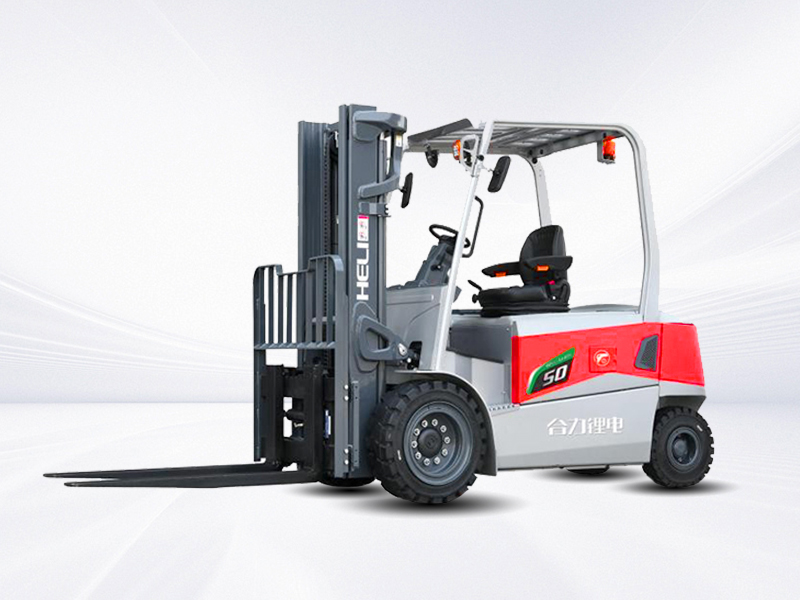
Transitioning from combustion to electric power represents more than a simple equipment swap. An electric forklift fundamentally redefines operational efficiency, workplace safety, and total cost of ownership. The advantages span operational, financial, and environmental dimensions, making the business case increasingly compelling for forward-thinking organizations. This comprehensive guide explores the concrete benefits that drive facility managers to choose electric forklift solutions over conventional alternatives.
Operating Cost Efficiency and Financial Advantage
Reduced Fuel and Energy Expenses
Electricity costs substantially less than diesel or propane, the traditional fuels for internal combustion forklifts. An electric forklift charges overnight or during shift breaks, consuming minimal energy compared to the ongoing fuel purchases required for combustion models. For facilities operating multiple units across extended hours, this cost differential compounds significantly over time. A single electric forklift can save between $2,000 and $4,000 annually in fuel expenses alone, depending on usage intensity and local energy rates.
Maintenance and Component Longevity
An electric forklift contains far fewer moving parts than an internal combustion engine, dramatically reducing maintenance requirements. Combustion models require regular oil changes, spark plug replacements, air filter servicing, and complex engine diagnostics. The electric forklift eliminates these recurring service intervals, reducing downtime and maintenance labor costs. The battery system in an electric forklift is engineered for durability, often lasting 5,000 to 10,000 charge cycles with proper care. This extended operational lifespan means facility managers can extend equipment ownership periods and reduce depreciation impact on annual budgets.
Workplace Safety and Environmental Quality
Zero Emissions and Indoor Air Quality
Internal combustion forklifts produce carbon dioxide, nitrogen oxides, and particulate matter, creating poor air quality in enclosed warehouse spaces. An electric forklift generates zero tailpipe emissions, immediately improving indoor air quality and worker health outcomes. Studies demonstrate that workers in facilities using electric material handling equipment report fewer respiratory complaints and improved overall well-being. Regulatory agencies increasingly mandate indoor air quality standards, making the transition to electric forklift technology essential for regulatory compliance and worker protection.
Reduced Noise Pollution and Operational Comfort
Combustion engines produce 85 to 95 decibels of noise during operation, causing fatigue and communication challenges in warehouse environments. An electric forklift operates virtually silently, typically producing only 65 to 75 decibels. This dramatic noise reduction improves worker communication, reduces occupational stress, and enables safer coordination between equipment operators and ground personnel. Quieter operation also extends facility operating hours by reducing noise complaints from neighboring properties and residential areas, a particular advantage for urban distribution centers.
Performance Advantages and Operational Flexibility
Consistent Power Delivery and Precision Control
Electric forklifts deliver consistent torque throughout the charge cycle, enabling smooth acceleration and precise load positioning. Internal combustion models experience power variations as fuel consumption affects engine efficiency, making delicate load placement more challenging. An electric forklift provides responsive handling characteristics that improve operator control and reduce product damage during material handling operations. This consistency translates to higher productivity rates, as operators can work more efficiently without compensating for engine performance fluctuations.
Rapid Charging Technology and Operational Availability
Modern battery technology enables quick-charge capabilities that keep an electric forklift operational throughout extended shifts. Opportunity charging—brief charging sessions during breaks or meal periods—extends daily runtime without requiring overnight downtime. This flexibility contrasts sharply with internal combustion models, which require ongoing fuel station visits and longer refueling intervals. An electric forklift can maintain eight to twelve hours of continuous operation on a single charge, depending on application demands and battery capacity specifications.
Environmental Impact and Sustainability Alignment
Carbon Footprint Reduction and Climate Commitment
Facilities transitioning to electric material handling demonstrate measurable reductions in operational carbon emissions. An electric forklift powered by renewable energy sources achieves near-zero lifecycle environmental impact. Many organizations incorporate this transition as part of broader sustainability initiatives, supporting corporate environmental goals and stakeholder expectations. The lifecycle analysis of an electric forklift—from manufacturing through end-of-life recycling—typically demonstrates lower total environmental burden compared to combustion alternatives over a ten-year operational period.
Regulatory Compliance and Future-Proofing
Stricter emissions regulations and indoor air quality standards are driving regulatory requirements toward electric material handling solutions. An electric forklift ensures facilities remain compliant with evolving environmental legislation across North America, Europe, and Asia-Pacific markets. Early adoption positions organizations ahead of future mandate timelines, avoiding rushed transitions and associated operational disruption. Facilities selecting an electric forklift today build operational resilience against tomorrow's regulatory landscape, providing competitive advantage and operational continuity.
Total Cost of Ownership Analysis
Long-Term Financial Performance Metrics
The total cost of ownership for an electric forklift typically favors electrification within five to seven years of operation. Initial purchase price premiums are offset by cumulative fuel savings, reduced maintenance expenses, and extended equipment lifespan. When factoring in tax incentives, government rebates, and utility company incentive programs that often support electrification initiatives, the financial case becomes even more compelling. An electric forklift investment returns value through both direct operational savings and indirect benefits from improved workplace conditions and regulatory preparedness.
Scalability and Multi-Unit Economics
Facilities operating multiple units benefit from increased economies of scale when transitioning to electric material handling. Shared charging infrastructure investment spreads across several electric forklift units, reducing per-unit infrastructure costs. As electric forklifts accumulate operational hours across a fleet, maintenance savings and energy cost advantages compound exponentially. Organizations managing five or more forklifts experience particularly strong economic justification for comprehensive electrification strategies, with facilities reporting 30 to 40 percent reductions in total material handling costs over ten-year periods.
FAQ
What is the typical lifespan of an electric forklift battery?
An electric forklift battery typically lasts between five and seven years under normal operating conditions, with longevity depending on charging practices and maintenance protocols. Modern lithium-ion batteries in premium electric forklift models achieve 5,000 to 10,000 charge cycles, translating to extended operational life. Proper thermal management, regular monitoring, and avoiding deep discharge cycles significantly extend battery longevity. When battery performance diminishes, most electric forklift batteries are recyclable, recovering valuable materials and minimizing environmental impact.
Can an electric forklift operate outdoors in various weather conditions?
Yes, modern electric forklift designs incorporate weather-resistant components and sealed electrical systems suitable for outdoor operation. However, an electric forklift performs optimally in climate-controlled environments, as extreme temperatures can temporarily reduce battery efficiency and runtime. Rain, snow, and moisture exposure require appropriate weatherproofing measures, but manufacturers design contemporary electric forklift models to withstand typical outdoor warehouse conditions. Facility managers should confirm outdoor operating specifications with equipment suppliers to ensure compatibility with regional climate patterns.
What charging infrastructure is required for an electric forklift fleet?
An electric forklift requires standard electrical charging infrastructure, typically 120V or 240V circuits depending on battery capacity and desired charging speed. For fleet operations, dedicated charging stations with proper ventilation and safety features streamline logistics and prevent charging bottlenecks. Facilities transitioning to electric forklift operations should conduct electrical capacity assessments to ensure existing infrastructure supports multiple simultaneous charging sessions. Most facilities find that standard warehouse electrical systems require minimal upgrades, making the infrastructure transition straightforward and cost-effective for electric forklift adoption.