
 EN

A paving machine represents a critical investment for any construction company focused on delivering superior asphalt surfaces. The quality of paved surfaces directly impacts road durability, safety, and maintenance costs over the asset's lifespan. Understanding how a paving machine improves surface quality requires examining the technological advances, mechanical precision, and operational control that modern paving equipment brings to construction sites. When properly selected and operated, a paving machine transforms raw asphalt materials into uniformly smooth, durable, and long-lasting surfaces that meet or exceed industry standards.
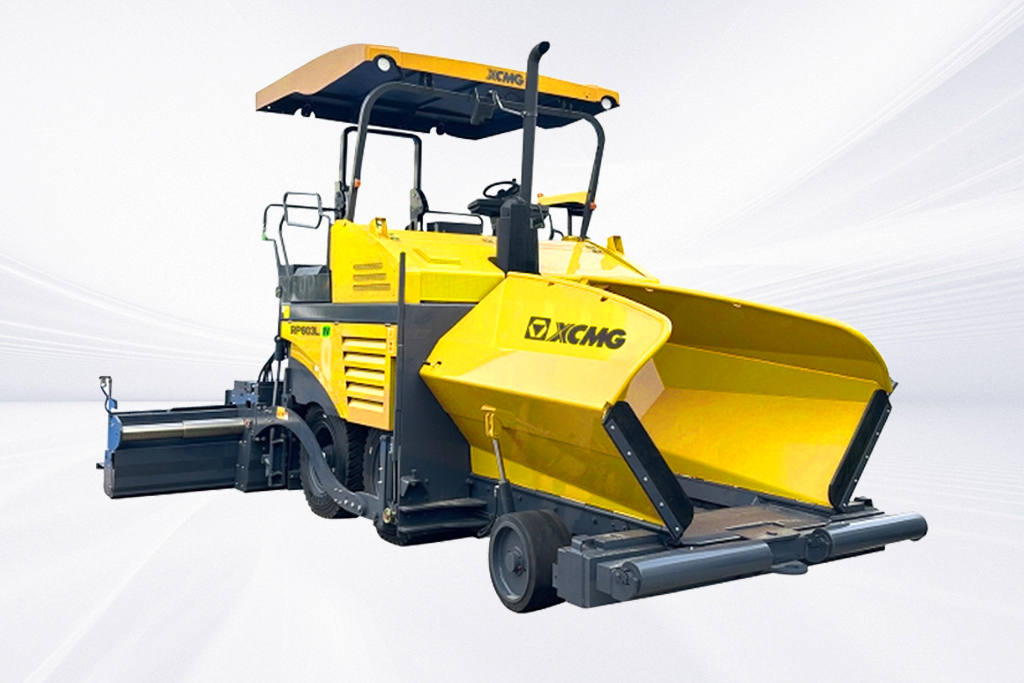
The primary reason contractors invest in modern paving equipment is the measurable improvement in surface consistency and longevity. A paving machine delivers precision that manual methods cannot replicate, reducing surface defects, extending pavement life, and lowering lifecycle costs. This article explores the key mechanisms through which a paving machine improves surface quality, from material distribution to thermal management and compaction uniformity.
Precision Material Distribution and Thickness Control
How a Paving Machine Ensures Uniform Layer Thickness
One of the fundamental ways a paving machine improves surface quality is through precise control of asphalt layer thickness across the entire paved width. Inconsistent thickness creates weak zones that accelerate pavement failure and generate costly repairs. A paving machine uses integrated screed systems, electronic sensors, and automated adjustments to maintain exact thickness specifications across every pass. The screed, a critical component of any paving machine, floats on the asphalt material and automatically rises or falls to maintain the target elevation. This constant feedback ensures that no section of pavement receives excessive or insufficient material, which would compromise structural integrity and surface smoothness.
Material Temperature and Distribution Consistency
When a paving machine receives asphalt from the truck, the material must be distributed evenly across the full paving width while maintaining optimal temperature. Temperature consistency directly affects how well the asphalt compacts and bonds, which determines surface durability. A paving machine features augers and distribution systems that break apart material clumps and spread the asphalt uniformly before it reaches the screed. This even distribution, enabled by a paving machine's engineering, prevents segregation where coarse and fine materials separate and create weak points in the pavement. The result is a homogeneous, uniformly compacted layer with superior structural properties and extended service life.
Thermal Management and Compaction Optimization
Temperature Control Throughout the Paving Process
A paving machine improves surface quality by actively managing asphalt temperature from placement through initial compaction. As asphalt cools, it becomes stiffer and less workable, which limits the compaction window and reduces the contractor's ability to achieve proper density. Modern a paving machine incorporates screed heating systems that maintain optimal temperature at the point of material placement, extending the workable time window and allowing adequate compaction before the asphalt sets. This thermal management capability is essential because under-compacted asphalt leads to premature rutting, potholes, and raveling. By keeping material at the ideal temperature, a paving machine allows compaction equipment to achieve the density levels required for durable, smooth surfaces that resist moisture infiltration and traffic wear.
Density Achievement and Surface Smoothness
Surface smoothness represents one of the most visible indicators of pavement quality, and a paving machine directly contributes to this outcome through its screed design and material pre-compaction features. The screed applies initial compaction to the asphalt as it travels, reducing voids and preparing material for follow-up compaction equipment. Some advanced versions of a paving machine include vibration systems that further consolidate the material at the screed, achieving higher initial density levels. This pre-compaction effort performed by a paving machine means that the rolling equipment behind it requires fewer passes to achieve target specifications, which improves surface uniformity and reduces traffic delays. The smoother the initial placement, the fewer corrections are needed, and the more consistent the final pavement surface becomes.
Slope Accuracy and Drainage Performance
Grade Control Systems in Modern Paving Machines
Proper surface drainage is essential for pavement longevity, and a paving machine must maintain precise cross-slope and longitudinal grades to ensure water runs off rather than pooling on the surface. Electronic grade control systems integrated into a paving machine use laser or GPS references to automatically adjust screed height and angle throughout the paving operation. When a paving machine detects deviation from the target grade, hydraulic actuators instantly correct the screed position. This real-time adjustment capability ensures that the finished surface slopes exactly as designed, preventing water entrapment and the accelerated deterioration that follows. Poor drainage creates ideal conditions for freeze-thaw damage, reflective cracking, and edge raveling, all of which reduce pavement service life significantly.
Impact on Rutting and Load Distribution
When a paving machine maintains proper cross-slope and profile grades, traffic loads distribute evenly across the pavement structure rather than concentrating in depressions. Vehicles naturally follow the smoothest path, and if a paving machine allows minor low spots to develop, repeated traffic will concentrate in those areas and create ruts. By ensuring a smooth, precisely graded surface, a paving machine prevents traffic channelization and promotes more uniform wear patterns. This load distribution benefit extends pavement life and maintains surface quality throughout the service period. Contractors who invest in a paving machine with advanced grade control systems report fewer post-construction complaints and reduced warranty repairs related to surface rutting and deformation.
FAQ
What specific features of a paving machine most directly impact surface smoothness?
The screed system and vibration settings are the primary features through which a paving machine achieves surface smoothness. A longer screed generates smoother surfaces by averaging out material variations across a wider area. Screed vibration frequency and amplitude, adjustable on advanced paving machine models, optimize material consolidation and surface flatness. Electronic grade control systems and reference technologies integrated into a paving machine also play critical roles by maintaining consistent elevation throughout placement, preventing the high and low spots that create a rough finished surface.
How does a paving machine help reduce long-term pavement maintenance costs?
A paving machine improves surface quality through uniform thickness, proper compaction, and precise grading, all of which extend pavement service life and reduce the frequency of repairs. High-quality surfaces resist rutting, potholes, and surface cracking that trigger maintenance cycles. By delivering superior initial quality, a paving machine pushes back the point at which major rehabilitation becomes necessary, reducing the total cost of ownership. Studies across transportation agencies consistently show that pavements laid with modern paving machine technology require less maintenance and deliver longer service life compared to conventional methods.
Can a paving machine reduce the compaction effort required after placement?
Yes, a paving machine significantly reduces the compaction effort needed following placement by performing pre-compaction through screed design and vibration. Modern paving machine models achieve initial density levels of 90 to 95 percent, meaning rolling equipment needs fewer passes to reach final specifications. This reduction in compaction passes improves project efficiency, reduces equipment wear on the pavement structure, and minimizes traffic disruption. A paving machine that delivers high-quality initial placement reduces the overall time and cost required to complete the project while maintaining superior surface quality.